A book in development

Thinking Out Loud

Creative and critical thinking in the early years (0–6). Grounded in UK practice, shaped by a Nordic perspective.

Notes, chapter fragments, and quiet provocations — gathered in the open while the book takes shape. For practitioners, leaders, parents, and anyone curious about how very young children think, and how the adults around them might think alongside.

About

A long thread of work about play, voice, drama, and how young children think.

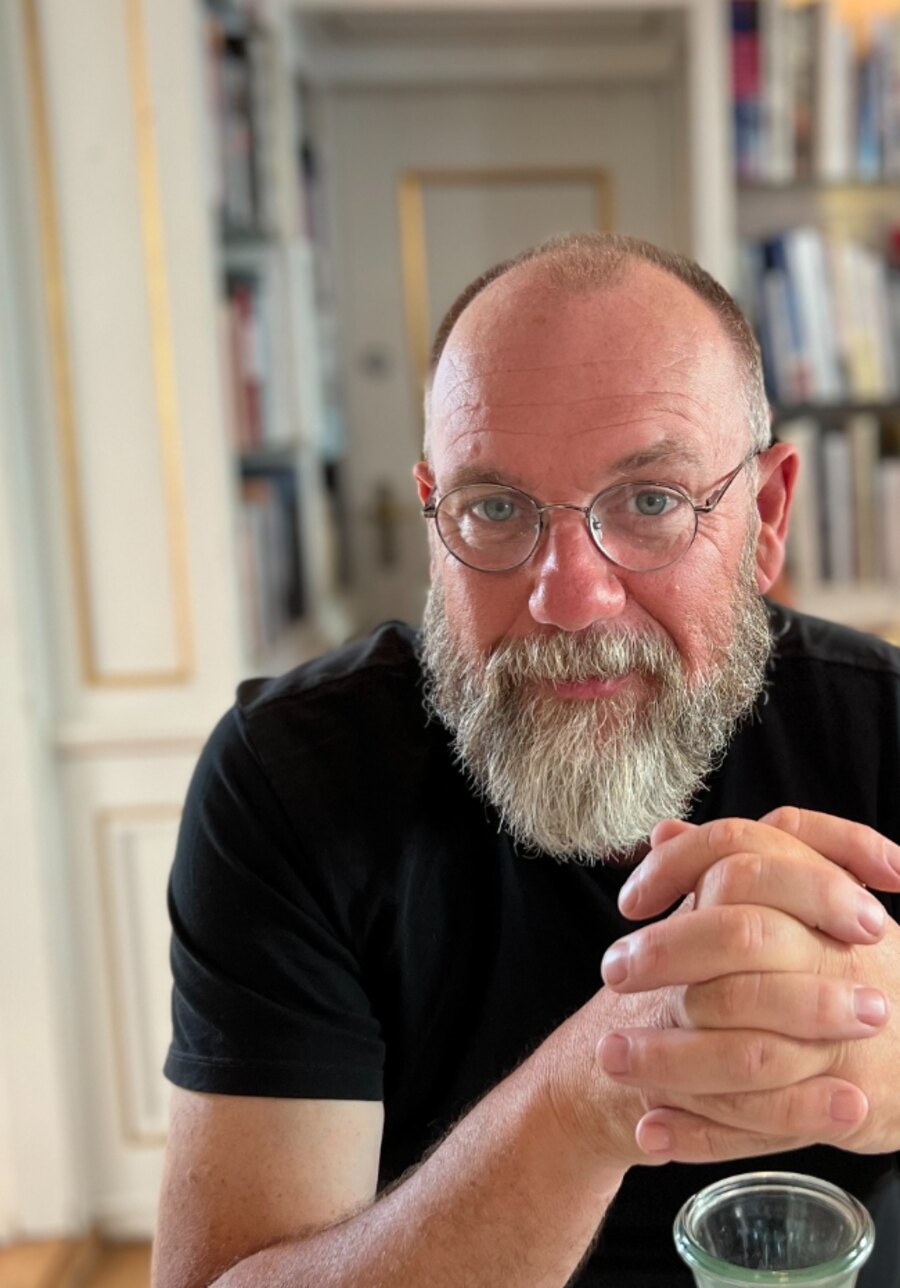
Gordon Poad seated in a book-lined room
A working conversation between practice, writing, and the everyday life of early years settings.

In 1998, as a drama student at Northumbria University I submitted a dissertation arguing that the best way to give children a genuine democratic voice was not to hand them a committee agenda — it was to protect their right to play.

That dissertation was called 12 Through 31 — Louder Than Words. This website is its thirty-year culmination.

My name is Gordon Poad. I am a theatremaker, educator, and early years leader, currently Director of Dråbitten, a small børnehave in Ebeltoft, Denmark, where forty children between the ages of zero and six spend their days thinking, playing, arguing, building, and becoming.

I co-founded Theatre Cap-a-Pie in County Durham in 1996 and led it for eighteen years, developing an approach called Dramatic Enquiry — a way of combining process drama and Philosophy for Children so that people can imagine and argue at the same time. Under the UK government's Creative Partnerships programme, that work reached thousands of children across England, and has since travelled into schools and settings in the UK, Malaysia, Norway, Sweden, and Latvia.

Along the way I have studied creative and critical practice in educational settings, trained as an executive coach, worked with Danish municipalities on John Hattie's Visible Learning framework, and supported school networks across Europe. The point of that work has always been practical: how do adults create conditions in which children and colleagues can think more deeply together?

Thinking Out Loud: Creative and Critical Thinking in the Early Years (0–6) is the book I am writing. It argues that children think — creatively, critically, and with genuine sophistication — from birth, and that the environments and adults around them either open that thinking up or close it down. Dråbitten is the living laboratory. The next three years are the writing window.

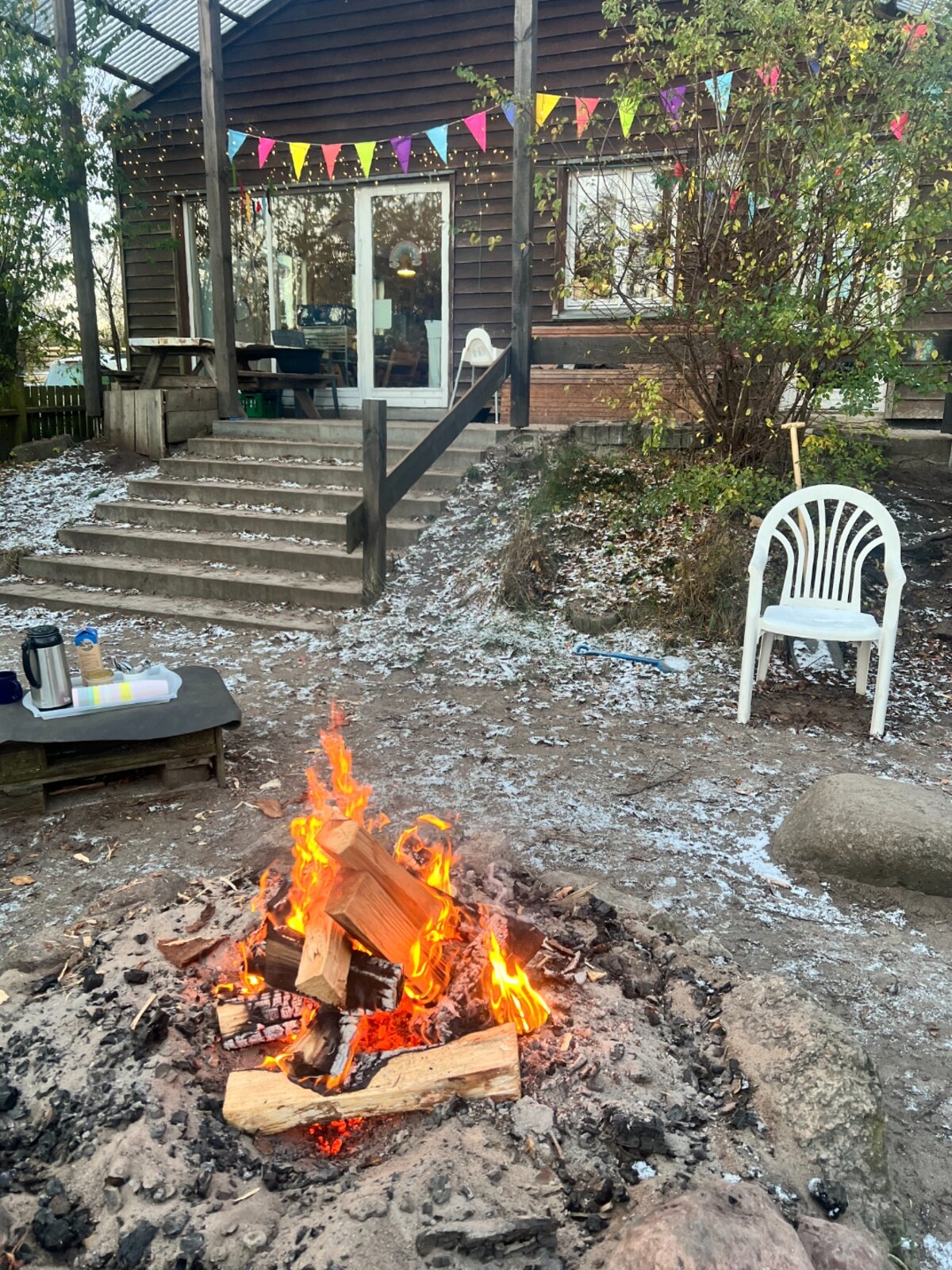
Outdoor fire and wooden building at Dråbitten
Dråbitten: the working environment behind the book — fire, weather, materials, conversation, and everyday attention.

This site is where the work happens in public.

Book Notes & Archive

An open notebook.

Three kinds of writing live here. Journal notes — short observations from settings and reading. Chapter fragments — paragraphs that may or may not survive the next draft. Resources — references, tools, and starting points for practitioners.

    Collaboration

    Working together — slowly, and on purpose.

    Gordon takes on a small number of collaborations each year with early years settings, leadership teams, and organisations thinking carefully about pedagogy. The shape is always negotiated, but a few formats recur.

    i.

    Setting-based consulting

    Extended residencies and visits with nurseries, kindergartens, and reception teams — observing, reflecting, and shaping practice with the people already doing the work.

    ii.

    Leadership conversations

    Sessions with directors, heads, and trust-level leaders on building an institution-wide thinking culture — and on how planning, observation, and reflection can become shared practices rather than paperwork.

    iii.

    Talks & reading groups

    Keynotes, in-house talks, and small reading groups around the themes of the book. Suited to conferences, training days, and university programmes in early childhood.

    iv.

    Publishers & press

    Conversations with publishers, editors, and journalists interested in the book are welcome. Sample chapters and a fuller outline are available on request.

    Contact

    Get in touch.

    The simplest way to begin a conversation is a short email — a sentence or two about what you're working on, what you're wondering, or what you'd like to read more of. Replies are considered, not instant.

    Email

    me@gordonpoad.com

    For collaborations, press, speaking invitations, or simply to say hello.

    Write an email